Best Dog Food for a Great Dane to Gain Weight Safely
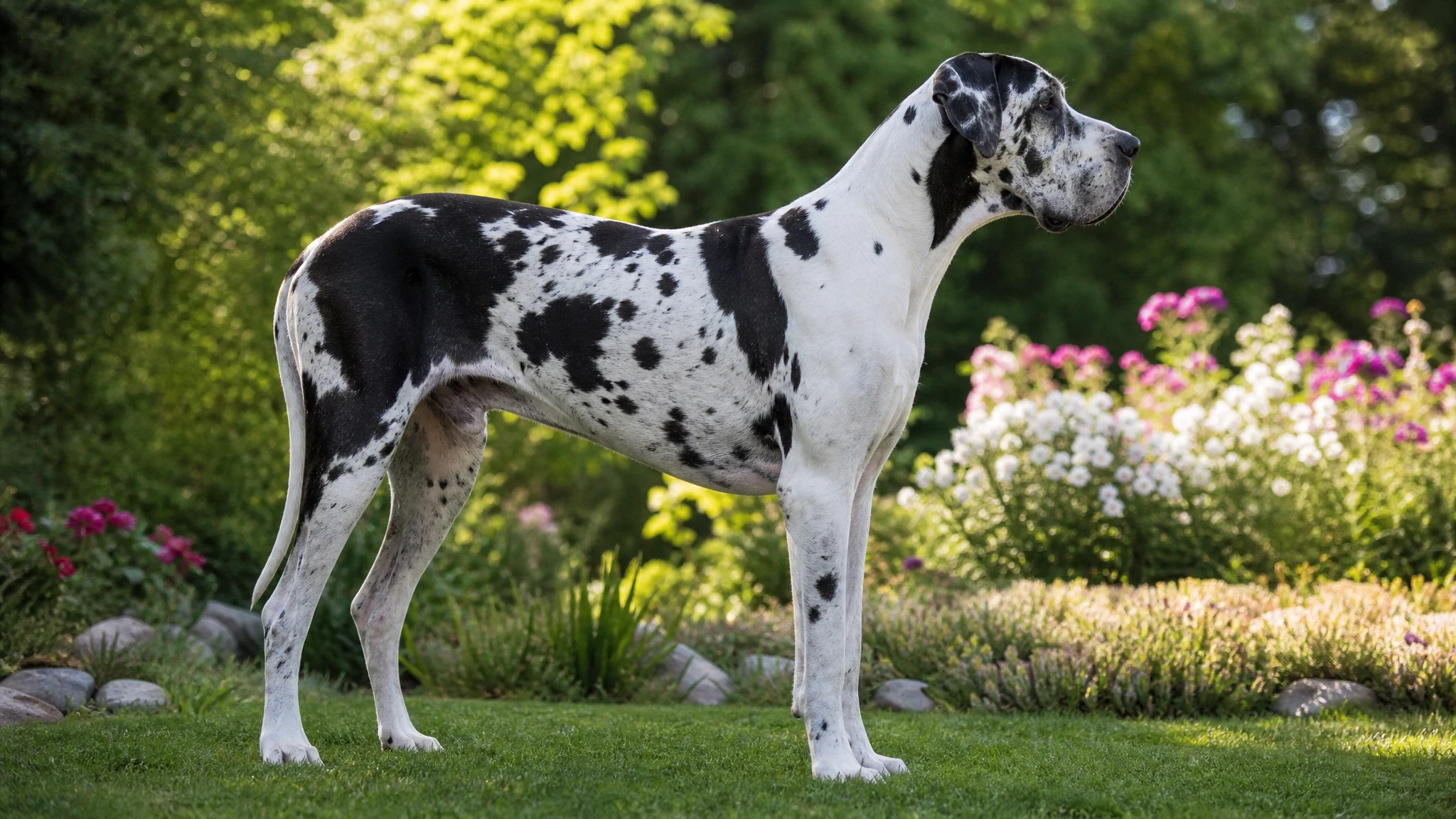
General nutrition information compiled from product labels and published sources, not veterinary advice. Your veterinarian is the right person to choose a diet for your dog, especially one with a health condition.
A thin Great Dane worries owners, and the instinct is to pile on more food. With this breed, that can backfire. The best dog food for a Great Dane to gain weight is one that fits the dog's life stage, carries a clear nutritional adequacy statement, and is fed in a way that respects the breed's bloat risk.
This guide walks through the process step by step. It is a label-reading method, not a ranking. We compared label data published by each brand. We did not run feeding trials or taste tests.
What You Need Before You Start
- The current food bag or can, so you can read the label
- A measuring cup or kitchen scale for portions
- A notebook or phone note for weekly weights and body condition
- An appointment with your veterinarian
- The brand's own feeding guide for any food you are considering
Step 1: Find Out Why Your Dane Is Thin
Do this first. A dog can be thin because of too few calories, but also for other reasons that food alone will not fix. Only a veterinarian can sort that out for an individual dog.
Ask your vet to score your dog's body condition and set a target weight. PetMD lists the average adult Great Dane at 110 to 175 pounds and 28 to 32 inches tall. That range is wide, so a breed average is not a target for your dog.
Step 2: Confirm the Life Stage
Life stage changes the plan. PetMD says Great Danes are considered adults at about 18 months and advises large-breed puppy food until then. Royal Canin's Great Dane formula is aimed at purebred Danes 24 months and older.
If your dog is still growing, do not push for extra weight on your own. The Great Dane Club of America (GDCA) health page describes HOD and panosteitis as painful bone conditions of rapid puppy growth, and says HOD is the more serious and can be deadly. Ask your vet how fast your puppy should be gaining.
For more on the breed's diet factors, see Great Dane nutrition and the diet factors that matter.
Step 3: Read the Adequacy Statement
Find the AAFCO statement on the label. It says whether the food is complete and balanced for growth, maintenance, or all life stages.
For growing dogs, Whole Dog Journal explains that growth and all-life-stages labels must say whether they cover growth "including" or "except for" large-size dogs, meaning 70 pounds or more as an adult. A Great Dane needs a statement that says "including growth of large-size dogs." Whole Dog Journal is a secondary source, so confirm the wording with the brand or your vet.
For a grown dog, an adult-maintenance statement is appropriate. A puppy food is not a shortcut for an adult who needs to gain.
Step 4: Compare Calories, Not Just Protein
Weight gain comes down to calories eaten versus calories used. The label lists energy per cup, so compare that. The guaranteed analysis shows minimums or maximums, not total calories.
Here is what each brand publishes for some foods with large-breed or Great Dane relevance:
| Food | Label statement | Energy | Protein / fat |
|---|---|---|---|
| Royal Canin Great Dane Adult (dry) | Adult maintenance | 390 kcal ME per cup | 21% min / 23% min |
| Royal Canin Giant Adult (dry) | Adult maintenance | 427 kcal ME per cup | 26% min / 18% min |
| Hill's Science Diet Adult Large Breed Chicken & Barley (dry) | Adult maintenance | 365 kcal per cup | Dry-matter averages only |
| Victor Hi-Pro Plus Large Breed Puppy (dry) | All life stages, including growth of large-size dogs | 365 kcal per cup | 30% min / 14% min |
| Freshpet Large Dog Multi-Protein (fresh) | Adult maintenance | 348 kcal per cup | 20% min / 14% min |
A few notes on reading this table:
- Royal Canin lists Giant Adult at 427 kcal per cup, the highest here. Its Great Dane formula lists 390 kcal per cup and a 23% minimum fat.
- Hill's pages show average dry-matter values, not guaranteed minimums, so do not compare them directly with minimums from other brands.
- Cups differ in weight between foods, so use the brand's feeding guide for real portions.
- Nom Nom's Beef Mash lists 201 kcal per cup, so a dog would need far more volume to reach the same calories. Check with the brand for its full guidance.
Victor describes its Senior Healthy Weight formula as suited to older, less active dogs or weight reduction. That is the opposite of this goal, so it is not a fit here.
Step 5: Pick a Candidate and Check the Ingredients
Look at the first five ingredients and the form of the food. Royal Canin's Great Dane Adult lists chicken fat, chicken by-product meal, tapioca, brewers rice and corn. Hill's Adult Large Breed lists chicken, cracked pearled barley, brown rice, brewers rice and whole grain wheat. Victor's Hi-Pro Plus lists chicken, chicken meal, brown rice, whole grain millet and whole grain sorghum.
Ingredient order alone does not tell you which food is better. Treat marketing words with skepticism and rely on the adequacy statement and the calorie figure.
The FDA has looked at a possible link between certain diets and canine dilated cardiomyopathy (DCM). Its latest update on that page is dated December 23, 2022. The FDA said no dietary cause has been established and called the issue complex, possibly involving multiple factors. The GDCA says DCM is suspected to be inherited in Great Danes. If your dog has heart concerns, the food choice is a decision for your vet.
Step 6: Feed in Smaller, Separate Meals
Bloat, also called GDV, is a major risk. The GDCA calls it the number one killer of Great Danes. It says feeding multiple small meals and avoiding vigorous exercise around mealtimes may reduce risk. It also says a prophylactic gastropexy is an option to discuss with a vet.
This matters for weight gain. Do not solve a thin dog by serving one huge bowl. Royal Canin's Great Dane page says the daily ration should be given in at least two meals to help reduce the risks of gastric dilation-volvulus.
Start with the brand's feeding guide as a starting point only. Freshpet, for example, notes its amounts can be given once or split into two meals, and lists 3 1/2 cups a day for dogs 81 pounds and up, plus 3/4 cup for each additional 25 pounds over 80. Splitting that into more than one meal fits the GDCA advice. Hill's tells owners to adjust amounts to maintain optimal weight and to ask a veterinarian if unsure.
Step 7: Transition Slowly and Track Progress
Change foods gradually, mixing the new food in with the old over several days, following the brand's guidance. Sudden switches can upset a dog's stomach.
Weigh your dog weekly on the same scale, and note body condition and appetite. Share the notes with your vet, who can adjust portions up or down.
Common Mistakes to Avoid
- Skipping the vet visit. A thin dog may need more than a new food.
- Feeding a puppy for fast gain. Rapid growth is a concern in this breed.
- Serving one giant meal. This works against the bloat advice above.
- Exercising right after eating. The GDCA advises avoiding vigorous exercise around mealtimes.
- Adding supplements on a hunch. Ask your vet before adding anything to the bowl.
- Judging by protein alone. Calories per cup and portion size matter more for gain.
- Changing several things at once. Change one thing at a time so you can see what helped.
What Results to Expect
With a suitable food, steady portions and vet guidance, many dogs gradually move toward a healthier body condition over weeks to months. Progress varies by dog, and no food can promise a particular result. If the weight is not moving, or your dog loses more weight, go back to your vet rather than raising portions on your own.
No food prevents or treats a medical condition. Your veterinarian decides what is right for your individual dog, and prescription diets come only from a veterinarian.
Sources
- Great Dane Club of America, Health page
- PetMD, Great Dane breed page
- FDA CVM, Investigation into Potential Link between Certain Diets and Canine DCM
- Whole Dog Journal, In the Fine Print: Nutritional Adequacy Statements
- Royal Canin, Great Dane Adult product page
- Hill's Pet Nutrition, Adult Large Breed product page
- Victor Pet Food, Hi-Pro Plus Large Breed Puppy product page
- Freshpet, Large Dog Multi-Protein Recipe product page